


Artisan Heritage Wheat Bread
A tender, aromatic artisan loaf made with heritage wheat and a slow-fermented poolish preferment. The result is a soft-crust bread with a light airy crumb and a clean comforting flavor; ideal for everyday meals or mindful baking moments.
BREADBREAKFASTSIDE DISH
Lourdes Rodriguez
1/15/20263 min read
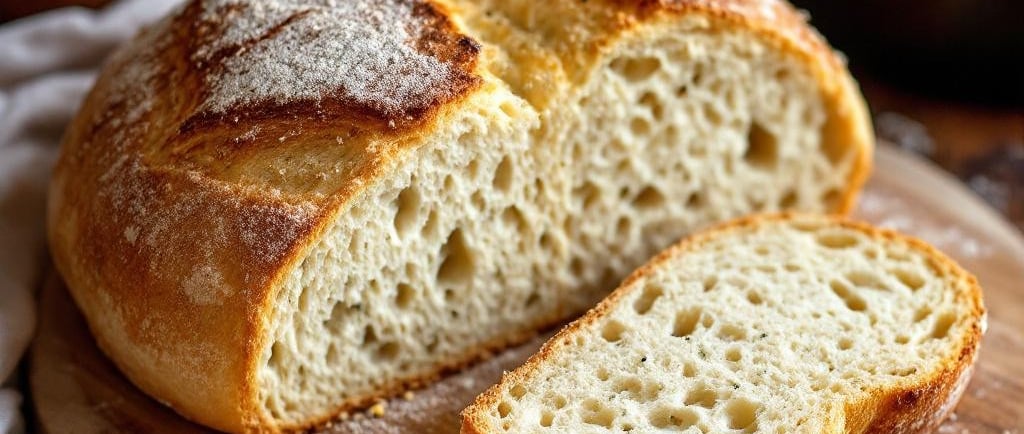
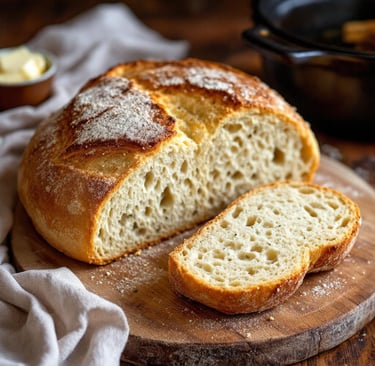
The story this dish tells
This bread brings together old-world techniques and modern awareness. It is grounded in two pillars: heritage wheat and a poolish preferment.
What is heritage wheat?
Heritage wheat refers to wheat varieties cultivated before the intense hybridization of the mid-20th century. These older grains preserve their original structure, aroma, and character.
Although not gluten-free, they are often perceived as:
more digestible for some people sensitive to modern wheat,
richer in natural, aromatic flavor,
closer to ancestral grain profiles.
Their gentle, slightly sweet personality makes them ideal for slow fermentation breads.
What is poolish?
Poolish is a highly hydrated preferment made with equal parts flour and water plus just a pinch of yeast. After 10-14 hours of fermentation, it becomes bubbly, aromatic, and mildly tangy.
Benefits of using a poolish:
improves digestibility and reduces the amount of yeast needed
enhances aroma and flavor complexity
creates a lighter, softer crumb
extends the bread’s natural shelf life
develops structure without kneading aggressively
A gentle method for every baker
Instead of kneading vigorously, this recipe uses the pinch-and-stretch method (stretch and fold). It strengthens gluten gradually, making the process accessible to anyone, especially those looking for a low-effort, low-impact technique.
This loaf is the story of tradition meeting intuition: ancient grain, slow fermentation, and a mindful, modern approach to breadmaking.
Health benefits
Heritage wheat may be more tolerable for some individuals sensitive to modern wheat (not suitable for celiac disease).
Slow fermentation improves texture, flavor, and digestibility.
The gentle stretch-and-fold technique reduces strain on hands and wrists.
Preparation tips
Use lukewarm water to activate yeast without harming it.
Add optional milk powder for an even softer crumb.
Dust your banneton with rice flour to prevent sticking.
Score the loaf before baking to guide its expansion naturally.
Best season to enjoy it
Perfect year-round as a morning toast, hearty lunches, or comforting dinners.
Food safety notes
Ensure the loaf reaches an internal temperature of 190-195°F (88-90°C).
Artisan Heritage Wheat Bread Recipe
Yield : 1 loaf
Ingredients
Poolish
250 g white bread flour (Heritage Blend)
250 g water at 80°F / 27°C
1/16 tsp instant yeast
Final dough
All the poolish
125 g water at 105°F / 41°C
1 Tbsp unsalted butter, melted (or light olive oil)
½ tsp instant yeast
250 g white bread flour (Heritage Blend)
1 Tbsp milk powder (optional, for a softer crumb)
2 tsp sea salt
Instructions
Prepare the poolish
Mix flour, water, and yeast. Cover and let ferment 10-14 hours in the refrigerator until it is bubbly and aromatic.Mix the final dough
In a large bowl, combine poolish, warm water, yeast, butter/oil, and milk powder (if using). Add flour and salt. Mix with a Danish dough whisk or with wet hands to prevent sticking.First fermentation
Place the dough in a large covered bowl. Over the next hour, apply the pinch-and-fold technique every 20 minutes (about three times):With a damp hand, pinch into the dough as if grabbing a small section.
Gently stretch upward and fold it over itself.
Rotate the bowl and repeat several times.
This method strengthens gluten without intensive kneading.
Shape the bread
Dust a proofing basket (banneton) with rice flour. Lightly mist with water, dust with rice flour, add the dough, and cover with a kitchen towel.Second fermentation
Let rest 45-60 minutes, until the dough has risen close to the rim of the basket.Baking
Preheat oven to 475°F (246°C).
Transfer dough into the Dutch oven, dust the surface with rice flour, and make a slash down the center.
Bake covered for 30 minutes. Remove the lid and continue baking for 5-10 minutes or until golden to your liking.
Bread is ready when it reaches 190-195°F (88-90°C) internally.Cooling
Remove the bread from the Dutch oven and place it on a wire rack. Let rest at least 20 minutes before slicing.
Storage and shelf life
Store in a cloth bag or airtight container for up to 3 days.
Freeze sliced for longer storage.
Healthier ingredient swaps
Replace butter with olive oil for a dairy-free version.
Add seeds (flax, sunflower) for extra fiber.
Pairing ideas
Pairs beautifully with creamy soups or a fresh green salad.
🤓 Did you know?
Poolish originated with Polish bakers in the 19th century and later became a cornerstone of classic French breadmaking.
Dietary restrictions to consider
Contains gluten (heritage wheat may be more tolerable for some).
Contains dairy if butter or milk powder is used.
Important: If you have any doubts about incorporating this food into your diet, it is always a good idea to consult with your dietician or doctor.
Plenitaste
Inspiring healthy, global recipes for everyone.
contact me:
Recipe
plenitaste@gmail.com
© 2025. All rights reserved.